Who Is Pickleball Suitable For?
author: Cathy wang
2025-09-06

Who Is Pickleball Suitable For?
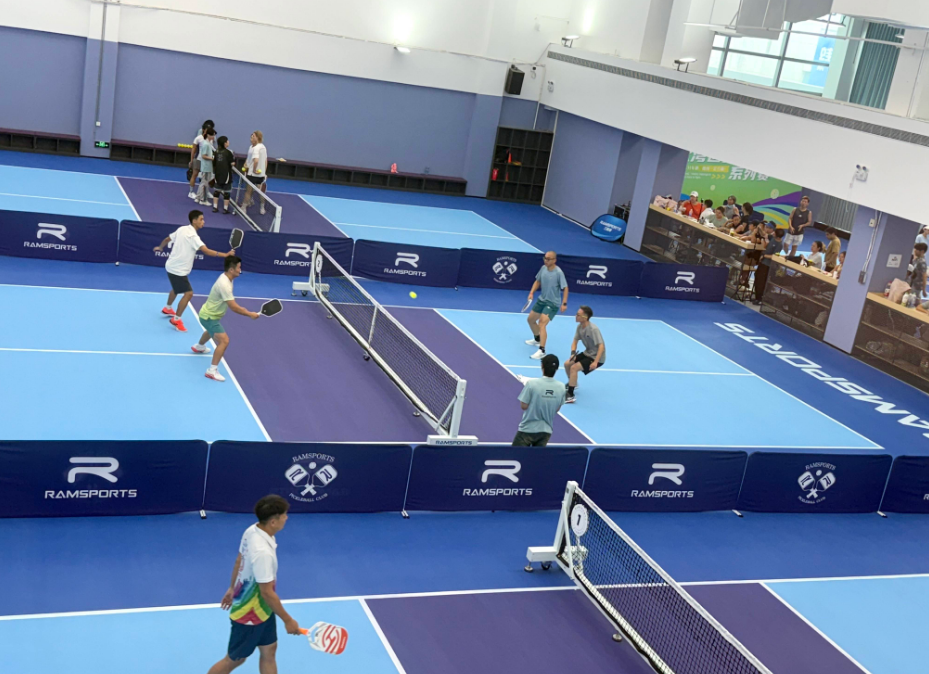
Pickleball’s widespread appeal stems from its adaptability and inclusivity, making it a perfect fit for diverse groups of people with varying ages, fitness levels, and interests. Below is a detailed breakdown of the people that can benefit most from this dynamic sport:
1. Seniors and Older Adults
Seniors are one of the largest and most enthusiastic groups of pickleball players—and for good reason. The sport’s low-impact nature minimizes stress on joints (knees, hips, and ankles) compared to high-intensity activities like running or tennis. Movements in pickleball are often short, controlled bursts (e.g., quick steps to return a ball) rather than long sprints, reducing the risk of overexertion. Additionally, the underhand serve is easier on the shoulders than tennis’s overhead serve, and the lightweight paddle requires less upper-body strength to maneuver. Beyond physical benefits, pickleball provides seniors with a social outlet to stay connected, combat loneliness, and maintain mental agility through strategic gameplay. Many retirement communities and senior centers now offer pickleball courts and leagues tailored to this group.
2. Beginners and Novices to Racket Sports
If you’ve never played tennis, badminton, or table tennis, pickleball is an ideal starting point. Its gentle learning curve lets beginners pick up basic rules and skills (e.g., serving, volleying, and scoring) in just one or two sessions. Unlike tennis, where a powerful serve or fast-paced rallies can intimidate new players, pickleball’s slower-moving, perforated plastic ball is easier to track and return. The “kitchen” rule (non-volley zone) also simplifies gameplay by limiting aggressive net play for beginners, allowing them to focus on consistent shots rather than complex strategies. Many community centers and sports clubs offer beginner-friendly clinics, making it easy for novices to get started with guidance.
3. Families (Including Kids and Teens)
Pickleball is a fantastic family activity that bridges age gaps. Kids and teens enjoy the game’s playful energy—chasing the ball, mastering simple shots, and competing in friendly matches with parents or grandparents. The court size (smaller than a tennis court) is manageable for children, and the lightweight paddle is easy for little hands to hold. For families, pickleball encourages bonding: it’s common to see parents and kids teaming up for doubles, laughing over missed shots, or celebrating small wins together. It also offers a screen-free alternative to indoor activities, getting the whole family outdoors and active. Some schools even introduce pickleball as part of physical education classes to promote teamwork and coordination among students.
4. Recreational Players Seeking Fun and Fitness
If you’re looking for a casual way to stay active without the pressure of competitive sports, pickleball is perfect. Recreational players appreciate that it’s fun first, intense second—you can play at a relaxed pace, chat between points, and prioritize enjoyment over winning. The sport still delivers a solid workout: it boosts cardiovascular health, improves hand-eye coordination, and tones muscles (especially in the arms, legs, and core) through constant movement. Unlike solo activities like jogging, pickleball’s social aspect makes fitness feel less like a chore and more like a gathering with friends. Many local parks host “open play” sessions where recreational players can drop in, meet others, and play casually.
5. Competitive Athletes (Casual or Professional)
While pickleball is accessible to beginners, it also offers depth for competitive players. Athletes with experience in tennis, badminton, or table tennis can leverage their existing skills (e.g., shot placement, strategy, and reflexes) while mastering pickleball-specific techniques (e.g., dinking—soft shots over the net—to outmaneuver opponents). The rise of professional pickleball tours (e.g., the Professional Pickleball Association, PPA) has created opportunities for elite players to compete for prizes and sponsorships. Even casual competitors enjoy league play, tournaments, and friendly rivalries, as the sport’s scoring system (win by two points, serving side scores only) keeps matches exciting and unpredictable.
6. Individuals Recovering from Injuries or With Limited Mobility
Pickleball can be adapted for people recovering from injuries (e.g., knee surgery, shoulder strains) or those with limited mobility. The sport’s pace is flexible—players can choose to move slowly or stay closer to the baseline if needed. The non-volley zone reduces the need for jumping or quick lateral movements, and the lightweight equipment minimizes strain on recovering muscles or joints. Many physical therapists even recommend pickleball as a low-intensity rehabilitation activity, as it promotes range of motion, balance, and coordination without overtaxing the body. Players can also modify gameplay (e.g., playing singles instead of doubles for less running) to suit their abilities.
7. Social Butterflies and Community-Builders
Pickleball is as much a social activity as it is a sport, making it ideal for people who love meeting new people and building connections. Doubles play, the most popular format, requires teamwork and communication—players must coordinate shots, call out “mine” or “yours,” and support each other during matches. This fosters camaraderie: it’s common for players to grab coffee after a game, join group practices, or organize social events (e.g., pickleball potlucks). The sport also builds community bonds—neighborhoods, schools, and local clubs often form pickleball groups that welcome new members, creating a sense of belonging for people new to an area or looking to expand their social circle.
In Short: Almost Everyone!
The beauty of pickleball is that it doesn’t cater to a single “type” of player. Whether you’re 8 or 80, a seasoned athlete or a complete beginner, recovering from an injury or just looking to make friends, pickleball can be tailored to your needs. Its inclusivity is why it’s one of the fastest-growing sports worldwide—there’s truly a place for everyone on the pickleball court.
tennis racket bag
what is pickleball