What is Sewing Machine
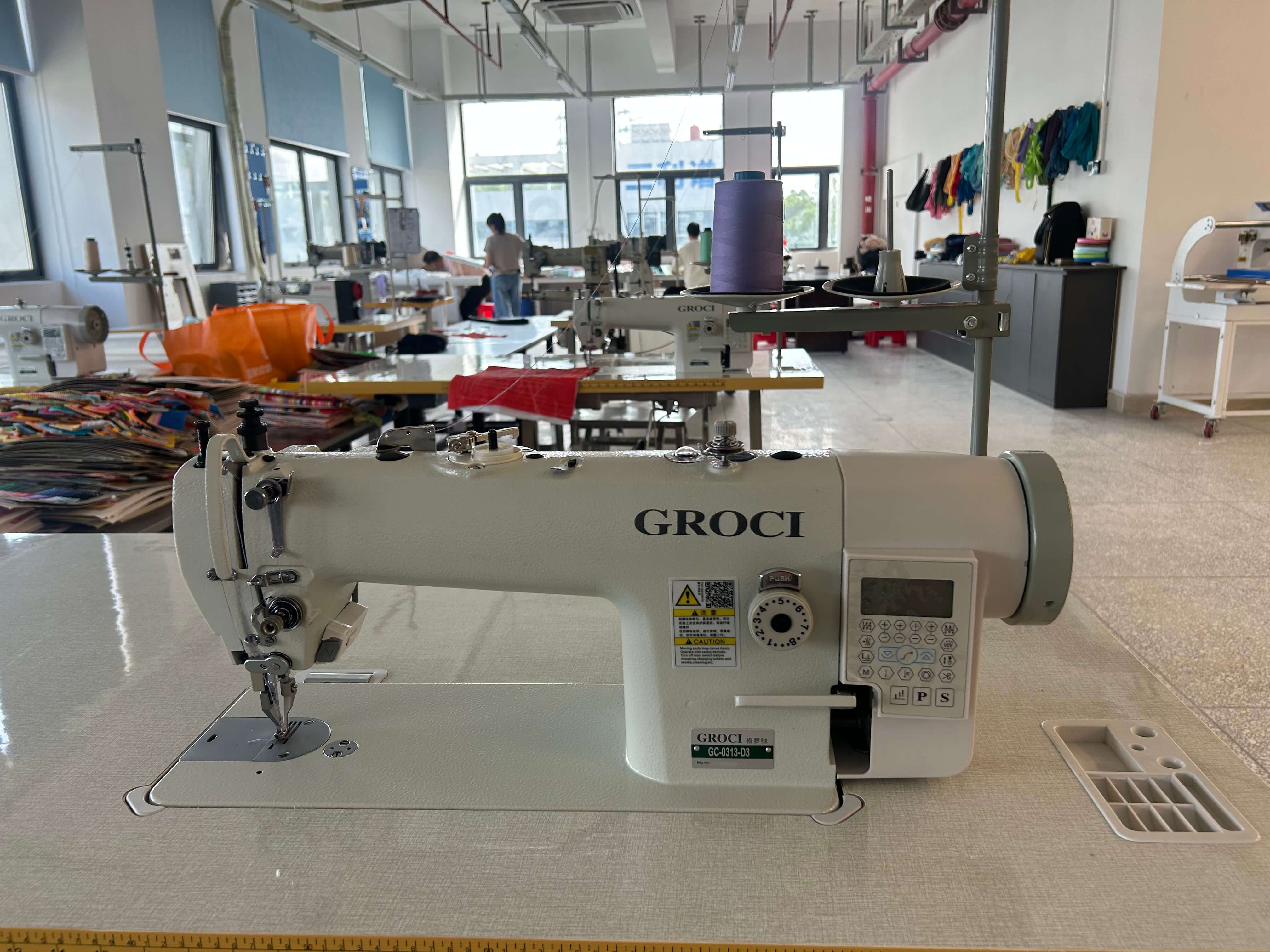
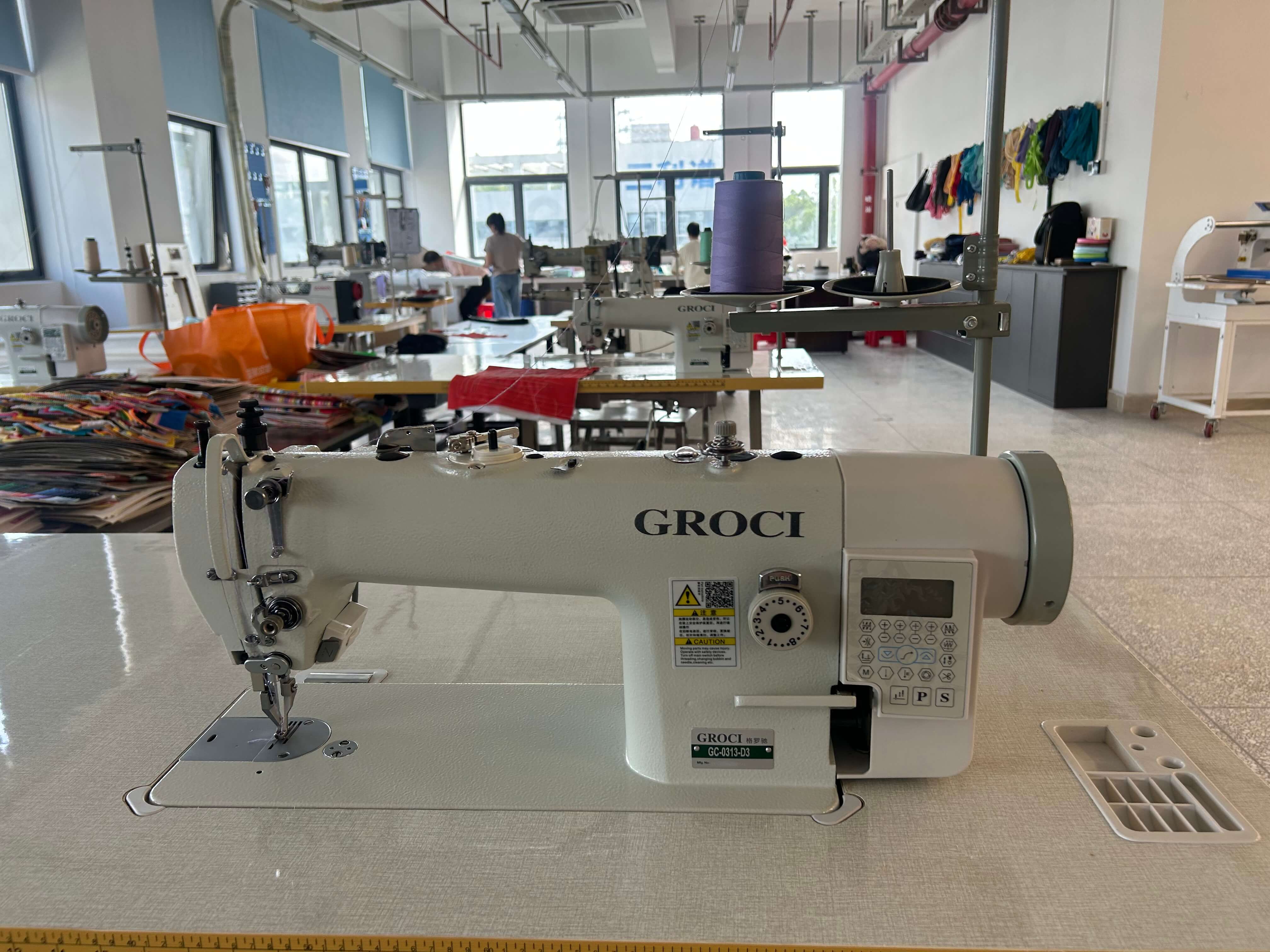
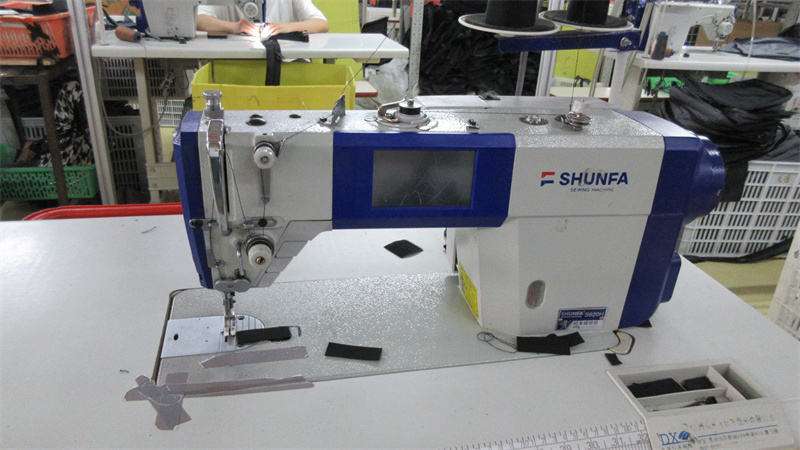
Sewing machines are versatile tools with a wide range of functions that make them essential for various sewing projects. Here are some of the main functions of a sewing machine:
Basic Stitching
- Straight Stitch: This is the most fundamental function of a sewing machine. It is used for joining two pieces of fabric together in a straight line. Whether you’re making a simple hem on a pair of pants, sewing the seams of a pillowcase, or constructing a basic garment, the straight stitch is your go - to. It provides a strong and durable bond between fabrics and is adjustable in terms of stitch length, allowing you to customize it according to the type of fabric and the project requirements.
- Zig - Zag Stitch: The zig - zag stitch is extremely useful for finishing raw edges of fabric to prevent fraying. It can also be used for decorative purposes, such as creating a unique edge on a piece of clothing or adding a decorative border to a quilt. Additionally, it can be used to attach elastic or lace to fabric, as the side - to - side movement of the stitch allows for some stretch.
Buttonhole Making
Sewing machines often come with a built - in buttonhole function. This feature enables you to create professional - looking buttonholes quickly and easily. You can choose from different buttonhole styles and sizes, depending on the size of the button you plan to use. The machine will automatically sew the buttonhole with precision, ensuring that the button fits perfectly and the buttonhole is strong enough to withstand regular use.
Sewing Different Fabrics
- Lightweight Fabrics: Sewing machines can handle lightweight fabrics like silk, chiffon, and organza. By adjusting the stitch length, tension, and using the appropriate needle, you can sew these delicate fabrics without causing damage or puckering. For example, a fine - point needle and a shorter stitch length are often recommended for sewing silk.
- Heavy - Duty Fabrics: They are also capable of sewing through heavy - duty fabrics such as denim, canvas, and leather. Some sewing machines have a more powerful motor and stronger needles to handle the thickness and toughness of these fabrics. You may need to adjust the stitch length to a longer setting and increase the tension to ensure a proper stitch.
Decorative Stitching
Many modern sewing machines offer a variety of decorative stitches. These can include floral patterns, scallops, and geometric shapes. Decorative stitching can be used to add a personal touch to your sewing projects, such as embellishing a plain dress, creating a unique design on a tote bag, or adding a decorative element to a baby blanket.
Quilting
Sewing machines are widely used for quilting. They can sew the layers of a quilt together, whether it’s through straight - line quilting, free - motion quilting, or using a quilting foot for more precise stitching. Quilting not only holds the layers of the quilt (top fabric, batting, and backing) together but also adds a decorative element to the quilt.
In summary, sewing machines are multi - functional tools that can be used for basic stitching, buttonhole making, working with different fabrics, adding decorative elements, and quilting, making them indispensable for both amateur and professional sewers.
How to make the pencil case
Related Article